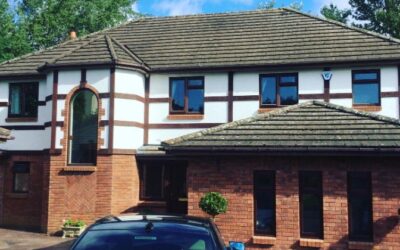
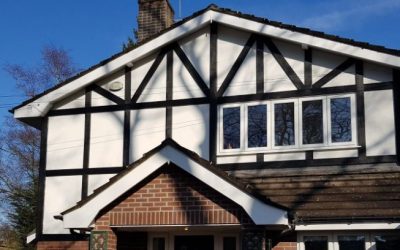
Transforming Your Home’s Exterior with Tudor Cladding
Tudor cladding, characterised by its distinctive timber framework and complemented by boards, has long been used to improve or restore the character of English homes. This design choice not only evokes a time in British architecture that combines Renaissance class with medieval influences, but also enhances the structural integrity of homes when compared with other cladding options. By integrating these features, homeowners can combine both traditional influences and modern durability, so read on for our guide through the transformative journey of cladding your home.
Tudor Cladding
This enduring and distinctive architectural style dated back to the Tudor era in 16th century England, combining features and motifs that were particularly prevalent at the time and that influenced the long-standing appeal of Tudor styles. Even if you do not recognise the name, it is almost certain that you will have come across houses that incorporate Tudor-inspired cladding into their exterior design. With a half-timber design, this style features exposed wooden beams set against a backdrop of brick, stone, or boards, and is intended to be as insightful as it is decorative. The beams, whilst no longer as structurally essential as they once were, are intended to reflect the period’s building methods, where the frame bore the structure’s weight, and the beam’s load-bearing function was visible.
Beyond its historical influence, Tudor cladding offers modern homeowners several benefits, including:
1. Visual Appeal
The longevity of this enduring style lies in its ability to evoke a sense of historical elegance and timeless charm whilst still suiting more modern exteriors. The cladding combines exposed wooden beams with the smooth contrast of modern materials, and this blend of modern and classical styles allows it to complement various types of buildings, offering a unique aesthetic that marries the past with the present. From traditional cottages to modern buildings, the visual impact of cladding remains a favoured choice for those looking to add character and distinction to their properties, offering a classic and refined look that stands out in a sea of contemporary designs.
2. Architectural Durability
Modern day cladding has built upon the styles and influences of Tudor boards and cladding, but has significantly evolved in terms of durability. Modern advancements in materials and construction techniques have transformed it from merely an aesthetic choice to a resilient protective layer for buildings, and today’s cladding combines traditional visual elements with robust, durable materials.
Our exterior upvc cladding in particular offers resistance against weather elements, pests, and decay, and this combination of charming, old-world appearance, and modern-day architecture means that the heritage of Tudor buildings is preserved through features that offer enhanced longevity for contemporary structures.
3. Enhanced Energy-Efficiency
Cladding not only captivates with its historical charm, but also offers enhanced energy efficiency for modern buildings, making it a popular choice for those looking to infuse their homes with character and charm while enjoying modern functionality.
The cladding system incorporates insulated panels within the traditional timber frame to significantly reduce heat and energy loss, leading to lower energy consumption. As a result, mock Tudor boards, beams, and cladding not only pay homage to architectural heritage, but also align with contemporary demands for sustainability, making it an eco-friendly and cost-effective solution for homeowners.
4. Improved Insulation
Finally, the robust materials used in the cladding also enhances insulation and significantly reduces heat loss, leading to the associated lower energy consumption and costs, and increased thermal comfort within the home. This strategic integration of modern insulation materials with the traditional timber frame also creates a barrier against external weather conditions, maintaining a stable interior climate, and preventing the risk of drafts or leaks inside the house.
The Installation Process
Installing the cladding, whether done professionally or as a home improvement project, involves a careful process to ensure both long-term exterior appeal and structural integrity.
Once you have sourced the correct amount of cladding, it’s important to prepare the installation site by inspecting the existing exterior wall to ensure that it’s sound and level, which may include repairs and creating a flat surface. Once the surface has been cleaned to remove any debris or old materials, apply a waterproof membrane to the wall to protect your home from moisture, and carefully measure and cut the timber beams according to the design.
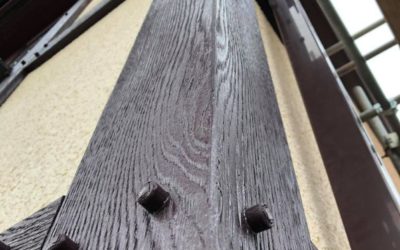
The timber frames, made from either polyurethane, exterior upvc cladding, or similar materials, are often pre-fabricated, and are securely mounted to the exterior for a long-lasting installation. Ensure that they align correctly to create the iconic Tudor pattern, and fit insulation panels between the timber beams before completing the installation with the application of the final surface material to fill the spaces evenly. These final features can then be painted to resemble the original Tudor look or match the more contemporary style of the home, depending on your preferences, and sealed to protect against weathering and wear.
Once completed, install any additional decorative elements that you have decided on to enhance the Tudor style, and conduct a final inspection to ensure the cladding is secure and properly finished. Whilst professional installation is recommended for precision and to address any structural challenges, the process of installing our cladding is a straightforward home improvement process that can be undertaken by skilled DIY enthusiasts and those who are looking for a comprehensive way to improve their home’s exterior without excessive costs or continuous maintenance.
Once the framing is up, it will outlast natural wood or alternative materials by a long time, particularly if it is properly maintained and cared for. Whilst the maintenance requirements are much more minimal than alternative options, it is still important to check for signs of wear like cracking, rotting, or detachment of the timber frames, and to clean the cladding annually to remove dirt and prevent mould growth. It is also a good idea to repaint or reseal the wood every few years to protect it from weathering and UV damage, and if you notice any excessive damage, replace the affected areas quickly to avoid compromising the cladding’s structure.
Our Bespoke Polyurethane Options
Embrace the unique and enduring style of Tudor architecture without compromising on the structural integrity of your home with our Tudor cladding options. Explore our full in-house range today, or get in touch with our team for more information on the value and efficiency of our cladding.